Distributed Wastewater Treatment Systems (DWTS) offer a transformative solution for Florida’s environmental and economic challenges. As the state grapples with nutrient pollution leading to harmful algal blooms and red tide, DWTS presents a sustainable and cost-effective alternative to traditional central sewer systems.
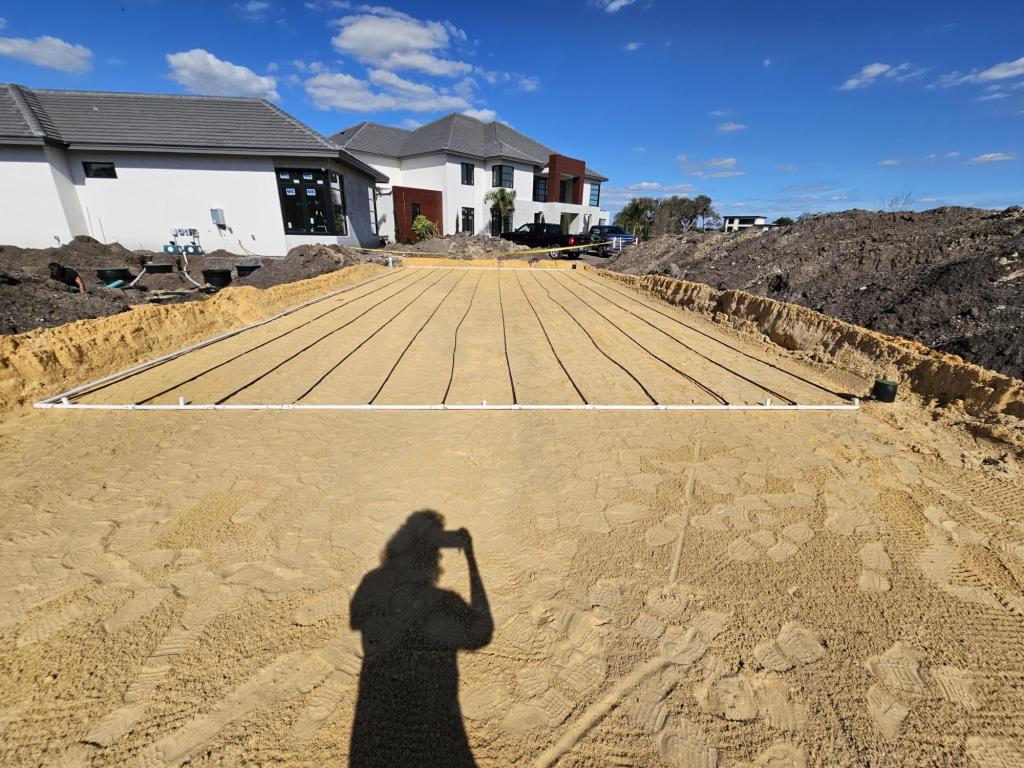
One of the most significant benefits of DWTS is the reduction of nutrient runoff. Traditional sewer systems often struggle with nutrient removal, leading to excess nitrogen and phosphorus entering waterways. These nutrients fuel the growth of harmful algal blooms, which deplete oxygen in the water, kill marine life, and create dead zones. DWTS, designed to treat wastewater at or near the source, employs advanced technologies that more effectively remove these nutrients, thereby reducing the risk of algal blooms and red tide.
Moreover, DWTS systems are inherently more flexible and resilient. In areas prone to flooding, such as many parts of Florida, centralized systems can be overwhelmed, leading to overflows and untreated sewage entering the environment. In contrast, DWTS can be strategically placed and scaled to local needs, minimizing the risk of large-scale failures. This adaptability ensures better protection of Florida’s delicate ecosystems, from its rivers and lakes to its coastal waters.
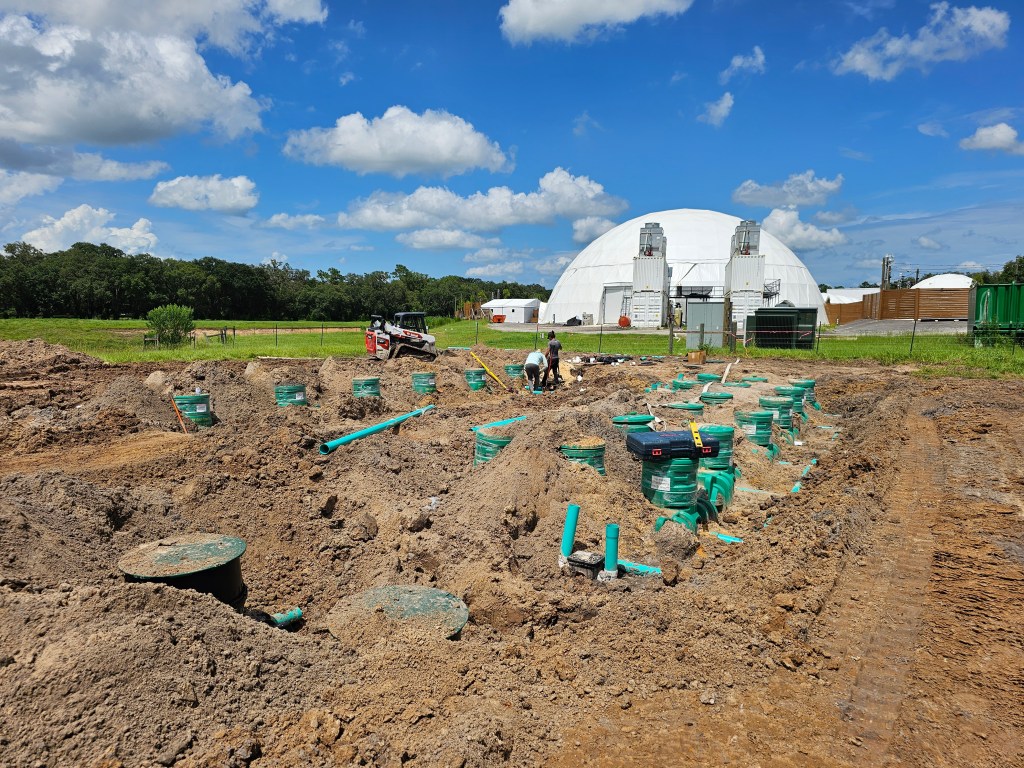
Economically, DWTS are less costly to implement and maintain. Central sewer projects often require extensive infrastructure, including miles of piping and large treatment facilities, which are expensive and time-consuming to build. DWTS, however, require smaller, localized installations that are quicker and cheaper to deploy. This cost efficiency is particularly beneficial for rural or less densely populated areas where extending central sewer systems is impractical.
In conclusion, DWTS offer Florida a practical solution to manage wastewater, reduce nutrient pollution, and protect its vital water resources. By embracing these smaller-scale systems, the state can safeguard its environment and economy from the detrimental impacts of traditional sewer systems.
 Florida Septic Design