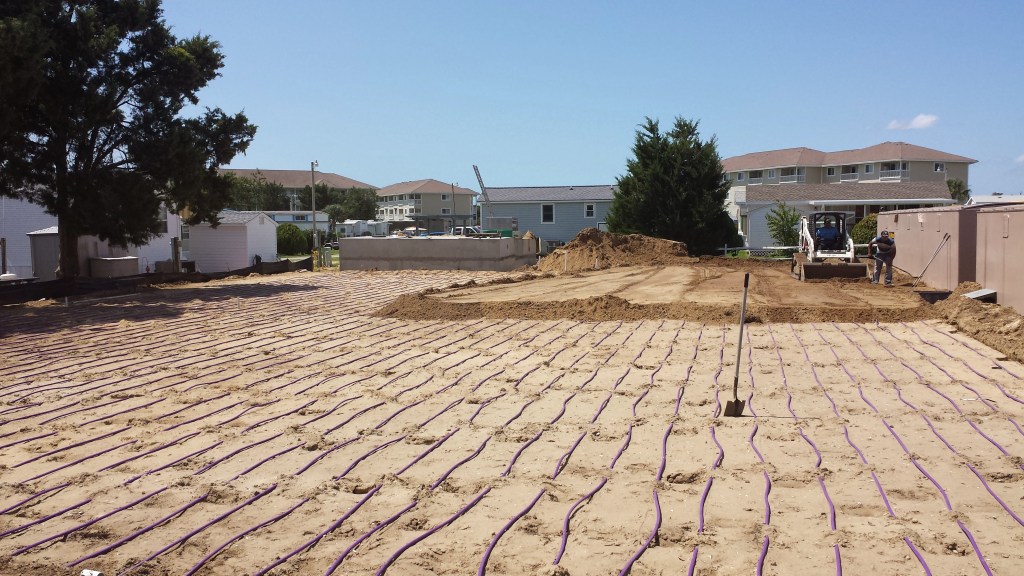
In the pursuit of sustainable development and improved public health, innovative solutions in wastewater management have emerged as a necessity, particularly in areas lacking centralized sewer systems. Among these solutions, cluster or community wastewater septic systems have gained significant attention for their ability to efficiently treat wastewater in localized settings. This article explores the concept, benefits, and challenges of cluster/community wastewater septic systems, shedding light on their potential to revolutionize sanitation practices globally.
Cluster or community wastewater septic systems, often referred to as decentralized wastewater treatment systems, involve the collective treatment of sewage from multiple households and/or establishments within a specific area. Unlike traditional centralized sewer systems, which transport wastewater to a distant treatment plant, cluster septic systems treat wastewater on-site or in close proximity to the source of the wastewater.
These systems typically consist of a series of septic tanks, aerobic treatment units, filtration systems, and disinfection mechanisms tailored to the needs of the community they serve. By treating wastewater locally, cluster systems minimize the need for extensive infrastructure while providing effective sanitation solutions for communities ranging from rural developments to the suburbs.

Benefits of Cluster Septic Systems:
Environmental Sustainability: By treating wastewater at the source, cluster septic systems reduce the environmental impact associated with transporting sewage over long distances. They also facilitate the recycling of treated wastewater for non-potable purposes such as irrigation, conserving water resources.
Cost-Efficiency: Compared to the construction and maintenance costs of centralized sewer systems, cluster wastewater septic systems offer a more economical solution, particularly in areas with low population density or limited financial resources. The shared infrastructure and decentralized nature of these systems reduce the overall investment required for implementation compared to sewer, other municipal wastewater systems or single home/business septic systems.
Flexibility and Scalability: Cluster wastewater septic systems can be tailored to the specific needs and size of the customers’ they serve. They offer scalability, allowing for the expansion or modification of the system.
Challenges and Considerations: While cluster/community wastewater septic systems offer numerous benefits, their implementation is not without challenges:
Technical Expertise: Designing, installing, and maintaining cluster septic systems require specialized knowledge and expertise. Adequate training and technical support are essential to ensure the efficient operation and longevity of these systems.
Regulatory Compliance: Compliance with local regulations and environmental standards is crucial to the successful implementation of cluster septic systems. Regulatory hurdles related to permits, land use, and discharge requirements may pose challenges during the planning and implementation phases.
Community Engagement: Engaging and educating community members about the benefits and responsibilities associated with cluster septic systems is vital for their acceptance and long-term success. Building trust and cooperation within the community fosters ownership and accountability for the proper management of wastewater.
Monitoring and Maintenance: Regular monitoring, inspection, and maintenance are essential to ensure the continued performance and reliability of cluster septic systems. Adequate resources and protocols must be in place to address maintenance needs and respond promptly to any issues that arise.
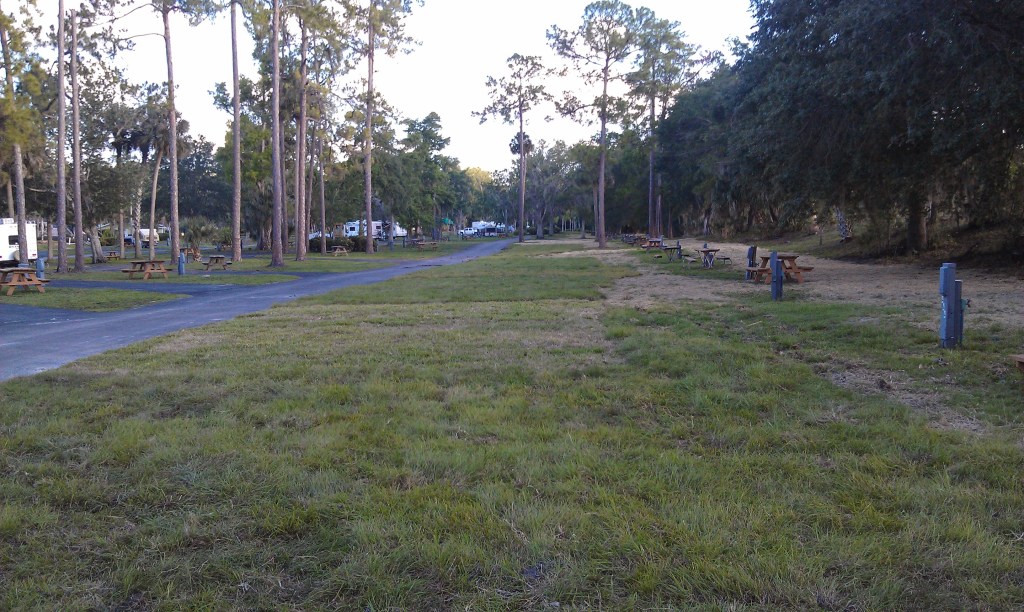
Cluster or community wastewater septic systems represent a paradigm shift in wastewater management, offering cost-effective, environmentally sustainable, and scalable solutions for communities around the world. While challenges exist, the benefits of decentralized sanitation outweigh the obstacles, making cluster septic systems a compelling option.
If you would like any more information on cluster septic systems reach out to our team with the link below.
 Florida Septic Design