
In the pursuit of sustainable development, one of the critical challenges we face is managing wastewater effectively. Conventional centralized wastewater treatment systems have been the norm for decades, but they come with their issues, such as high costs, energy consumption, and vulnerability to catastrophic incidents. To address these issues, a shift towards distributed wastewater engineering has emerged as a promising solution. This innovative approach distributes wastewater treatment processes across smaller, decentralized systems, offering numerous benefits in terms of efficiency, resilience, and environmental sustainability.
Distributed wastewater engineering operates on the principle of treating wastewater at or closer to the source, rather than transporting it over long distances to centralized treatment plants. This decentralization allows for tailored solutions that are adaptable to varying community sizes, geographical conditions, and wastewater compositions. By treating wastewater closer to the point of origin, the need for extensive sewer networks is minimized, reducing infrastructure costs and energy consumption associated with transportation.
One of the key advantages of distributed wastewater systems is their resilience against disruptions. Centralized systems are vulnerable to single-point failures, such as equipment breakdowns or natural disasters, which can result in widespread service interruptions and environmental contamination. In contrast, distributed systems are designed with redundancy and modularity, ensuring that a malfunction in one unit does not compromise the entire network. This resilience is particularly crucial in areas prone to extreme weather events or seismic activity, where maintaining uninterrupted wastewater treatment is essential for public health and environmental protection.
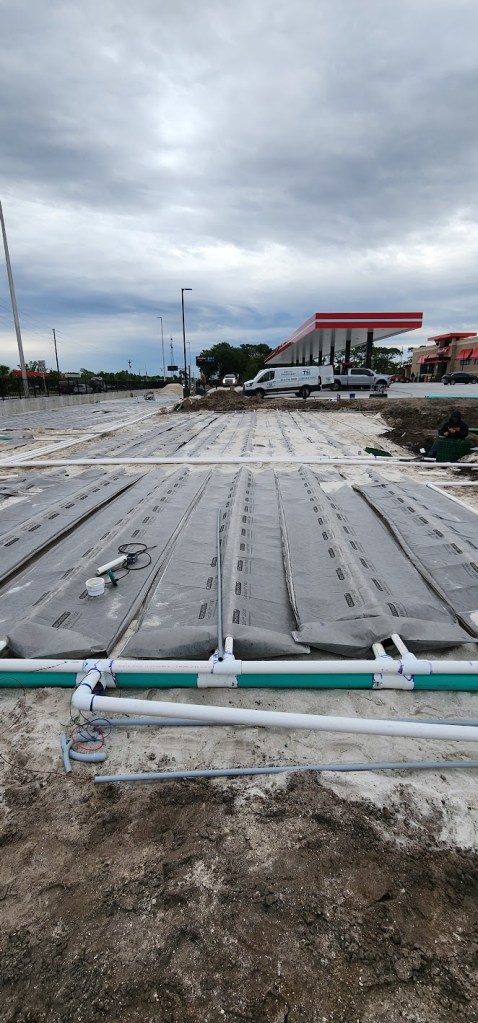
Moreover, distributed wastewater engineering promotes resource recovery and reuse, aligning with the principles of circular economy and resource conservation. Advanced treatment technologies employed in these systems enable the recovery of valuable resources such as nutrients, energy, and water. Nutrient-rich effluents can be utilized as fertilizers for agriculture or landscaping, while energy generated from anaerobic digestion processes can be harnessed to power the treatment facilities or contribute to the local grid. Additionally, reclaimed water can be repurposed for non-potable uses like irrigation, industrial processes, or toilet flushing, reducing the demand for freshwater resources and alleviating pressure on strained water supplies.
In recent years, technological advancements have further propelled the evolution of distributed wastewater engineering. Innovations in membrane filtration, biological treatment, and sensor technologies have enhanced the efficiency and reliability of decentralized treatment systems. Membrane bioreactors (MBRs) or Moving bed membrane bioreactors (MMBRs), for instance, offer superior effluent quality and smaller footprint compared to conventional treatment methods, making them ideal for compact decentralized installations. Similarly, the integration of real-time monitoring and control systems enables remote operation and optimization of distributed facilities, maximizing performance while minimizing operational costs.

Furthermore, the adoption of nature-based solutions, decentralized green infrastructure, is gaining traction in distributed wastewater management. These nature-inspired approaches leverage the natural processes of filtration, absorption, and biological degradation to treat wastewater in a sustainable and aesthetically pleasing manner. By mimicking the functions of ecosystems, these green technologies not only improve water quality but also provide additional ecological benefits.
As we confront the challenges of population growth, urbanization, and climate change, the need for innovative wastewater management strategies has never been more urgent. Distributed wastewater engineering offers a holistic approach that combines technological innovation, environmental stewardship, and community resilience.
If you are interested in Distributed wastewater systems click the link below to contact our experts and receive more information.
 Florida Septic Design