Septic systems play a vital role in managing wastewater in areas without city or county run, sewage treatment facilities. However, improper design and maintenance can lead to detrimental environmental impacts, including contamination of land and water.
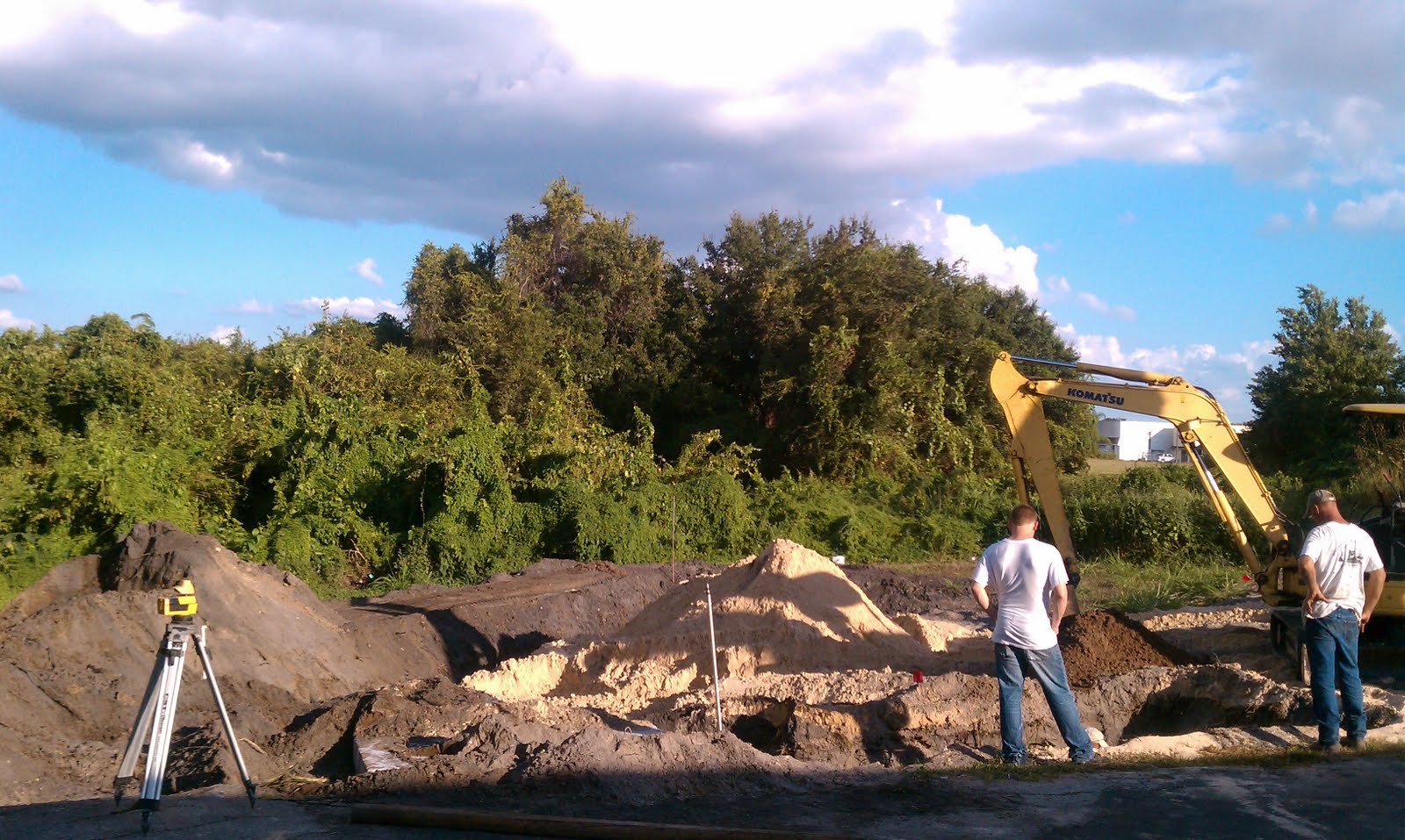
Septic systems are essential components of wastewater management. inadequate design and maintenance practices can result in significant environmental consequences, including groundwater contamination, nutrient runoff, and habitat degradation. In contrast, proper septic system design not only ensures effective treatment of wastewater but also minimizes the ecological footprint associated with sewage disposal. This blog post will cover how using our engineering prowess we can help minimize or eliminate issues pertaining to improper design and maintenance of septic systems.
Improperly designed and maintained septic systems pose numerous environmental risks, including:
Groundwater Contamination: Inadequate treatment or leakage from septic tanks and drain fields can introduce pathogens, nutrients, and harmful chemicals into groundwater, compromising its quality and posing risks to humans and our already struggling aquafer.
Surface Water Pollution: Runoff from malfunctioning septic systems can contaminate surface water bodies such as rivers, lakes, and streams, leading to contamination of bodies of water near the system, such as lakes, rivers, streams and the Ocean.
Soil Degradation: Excessive nutrient loading from septic effluent can disrupt soil structure and fertility. this can cause destruction of your lawn as well as the ecosystem on a larger scale near your property.
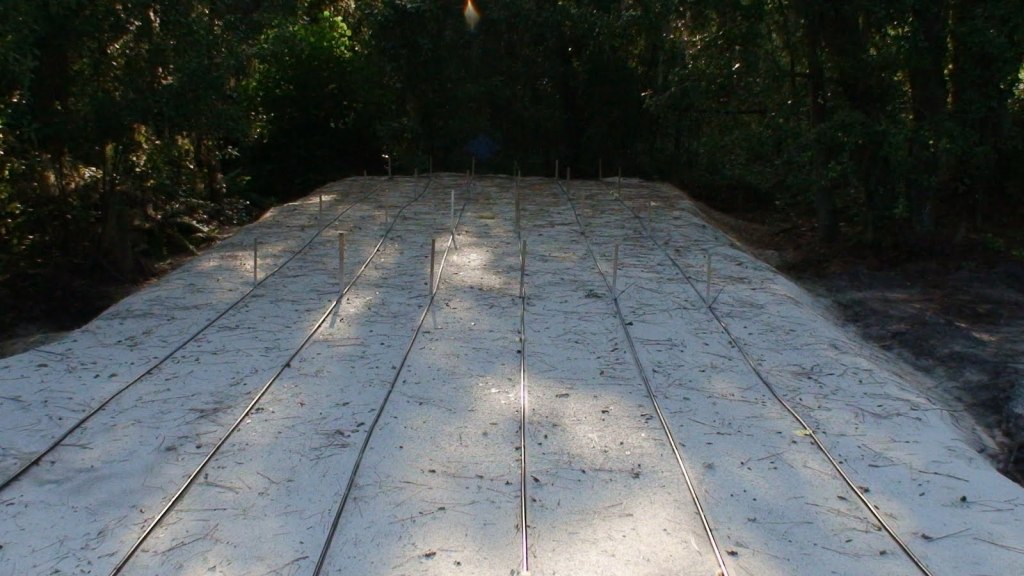
Properly designed and maintained septic systems offer several environmental and land-use benefits, including:
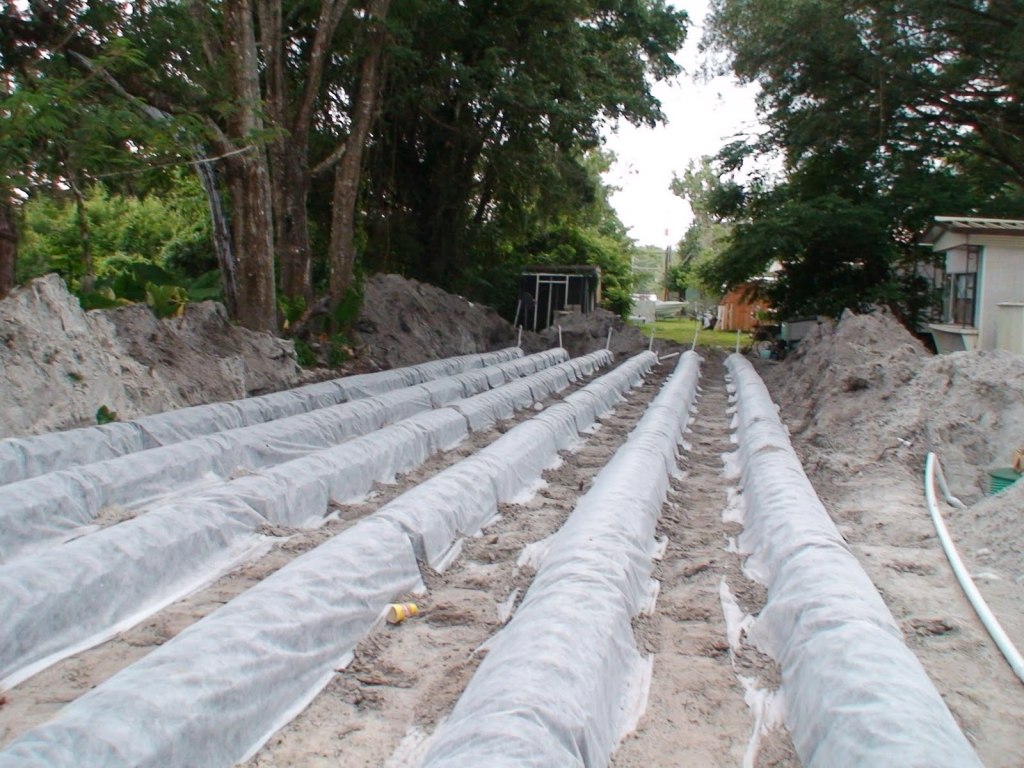
Reduced Environmental Contamination: Implementing appropriate sizing, siting, and technology selection for septic systems can minimize the risk of groundwater and surface water contamination, safeguarding our aquafer and protecting over all ecosystem health.
Enhanced Nutrient Management: Utilizing advanced treatment technologies such as aerobic treatment units (ATUs) and constructed wetlands can facilitate the removal of nutrients from wastewater, reducing the potential for nutrient runoff and mitigating impacts on soil and water quality.
Preservation of Natural Areas: By optimizing land use planning and adhering to setback requirements, proper septic system design helps preserve natural areas and sensitive habitats, promoting ecological connectivity and supporting wildlife conservation efforts. here is our article on BMAPs that will expand on this topic further: https://floridasepticguru.com/2023/06/24/bmaps-septics-oh-my/
Efficient Land Utilization: Innovative design approaches such as cluster development, shared septic systems, Drip Irrigation systems enable higher-density development while minimizing land disturbance, allowing for more efficient land utilization.
Proper septic system design is essential for mitigating environmental impacts associated with wastewater disposal and promoting sustainable land and water management practices. By adopting environmentally sound design principles and incorporating advanced treatment technologies, we can minimize their ecological footprint while ensuring effective wastewater treatment and conservation of our water.
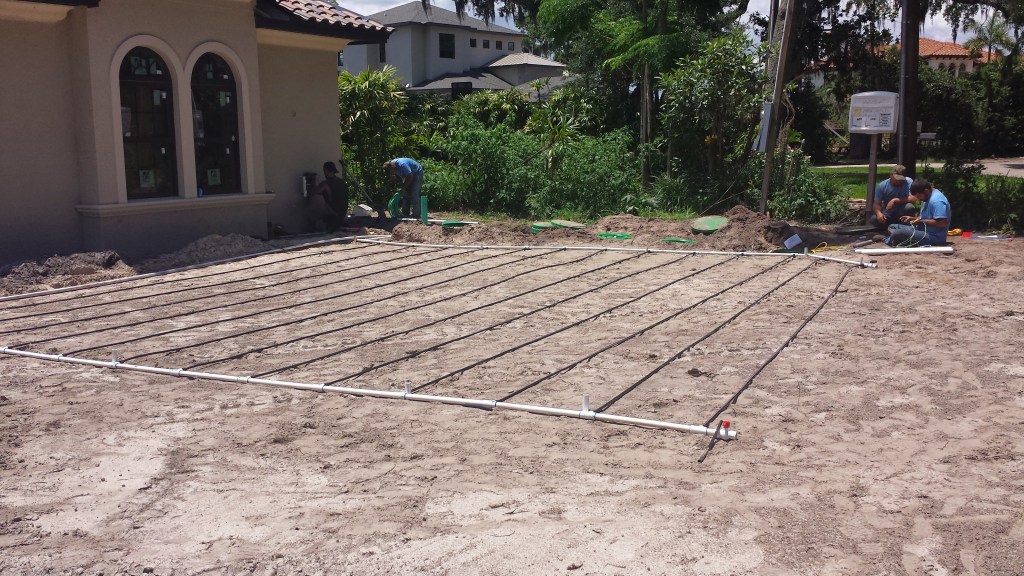
To talk to one of our representatives about how you can have a more effective, efficient and eco-friendly septic system click the link below.
 Florida Septic Design